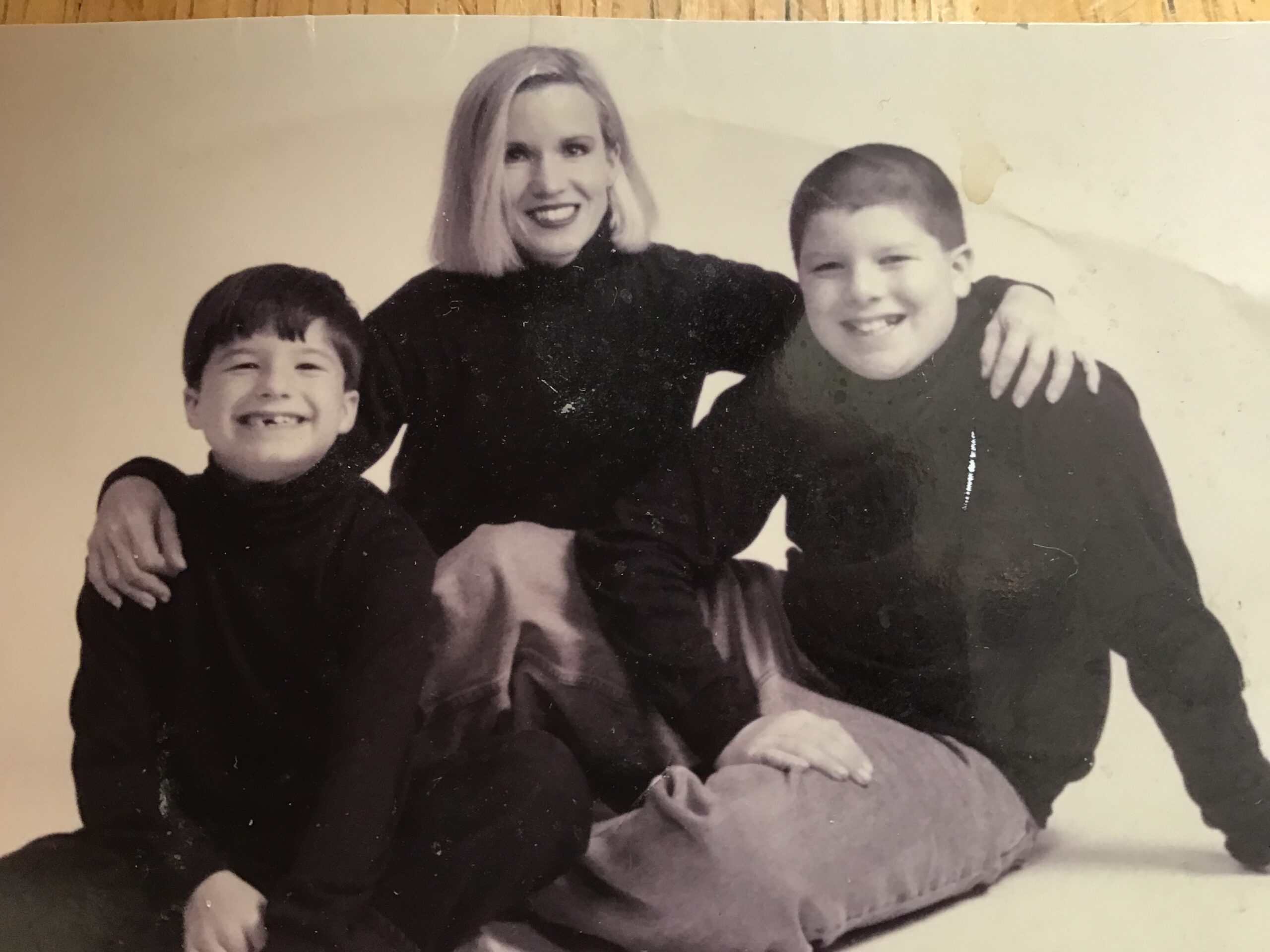
Amy and her sons @ 1996
Busy parents juggling work, family schedules, and everyone’s needs often want better overall well-being, but the loudest health advice makes it feel like success requires a full life overhaul. That all-or-nothing pressure can turn simple self-care into one more thing to fail at, even when the goal is just steadier energy, clearer focus, and fewer little aches. The truth for general readers is that daily health habits add up, and simple wellness strategies can support head-to-toe health without demanding perfection. Small, repeatable choices make healthy living feel doable today.
Try These Everyday Moves for Better Health
Small daily habits work best when they’re easy to repeat. Pick one or two from this list, keep them “tiny but consistent” for a week, and let the quick wins build momentum.
- Do a 6-minute morning stretching routine: Start with 5 minutes of easy movement (march in place, shoulder rolls, a short walk to the kitchen) and then stretch, this is the safety piece, since the mayo clinic stretching guidelines recommend warming up first. Try a simple sequence: 30 seconds each of calf stretch, hamstring hinge, hip flexor lunge, chest opener in a doorway, and a gentle neck side stretch. You’re telling your body “we’re awake,” which can reduce stiffness and improve how you move all day.
- Set up restorative sleep habits with a “2–1–0” wind-down: Two hours before bed, dim lights and finish heavy meals; one hour before, switch to quieter activities; zero screens in bed. Keep your room cool and your wake time consistent, even on weekends, this helps your body learn when to power down. If your brain spins at night, keep a notebook by the bed and “park” tomorrow’s to-dos in two minutes.
- Build a simple skin care routine you’ll actually do: Keep it to “cleanse + moisturize + protect.” Cleanse at night to remove sweat and sunscreen, moisturize right after washing to lock in water, and use SPF in the morning if you’ll see daylight (even driving counts). If your skin gets cranky, change only one product at a time for a week so you can tell what helps.
- Make oral hygiene automatic (and lower the “dental dread” barrier): Anchor brushing and flossing to something you never skip, like starting the coffee maker or locking the front door. Use the “two-zone” floss trick: floss only the top teeth tonight, bottom teeth tomorrow, and you’ll still cover everything without the all-or-nothing trap. If appointments make you anxious, schedule a quick “meet-and-clean” visit first and agree on a pause signal so you stay in control.
- Use hydration benefits to boost energy and digestion: Put a full glass of water where your day already happens, by your toothbrush, at your desk, or next to the kettle, and drink it before anything else. Add “water triggers” like after every bathroom break or before each meal. If plain water bores you, add lemon, cucumber, or a splash of juice so it’s still an easy yes.
- Strengthen one relationship on purpose (the stress buffer): Pick one daily “touchpoint” that takes under two minutes: a sincere compliment, a check-in text, or sitting down for a distraction-free hello and hug. When conflict pops up, try “I heard you say…” before you respond, people calm down faster when they feel understood. Supportive relationships make it easier to stick with health changes when life gets busy.
Link Career Fulfillment to Long-Term Well-Being—One Practical Path
When your daily habits support your body and mind, it’s easier to notice what’s missing in your bigger picture, like feeling energized by your work. Career fulfillment matters for overall well-being because work touches your stress levels, confidence, and sense of purpose day after day. If your current role feels limiting, going back to school can be a practical way to enhance your career trajectory and create a path that fits who you are now, not who you were when you first chose a job. The good news is you can choose from an array of accredited online programs; for instance, if healthcare is calling you, an online health administration bachelor’s can support a move into healthcare administration. Whatever direction you choose, online programs are often ideal for working professionals because they’re built to fit around real-life schedules.
Daily–Weekly Habits for Head-to-Toe Well-Being
Small practices, repeated, are what turn “knowing what to do” into real health habit integration. Give yourself time, since times to reach habit formation vary widely, and consistency usually beats intensity.
Morning Water and Light
- What it is: Drink a glass of water and step outside for natural light.
- How often: Daily
- Why it helps: Hydration and light can support energy, mood, and sleep timing.
Three-Minute Mobility Reset
- What it is: Do gentle neck, shoulders, hips, and ankle circles.
- How often: Daily
- Why it helps: It loosens stiffness and makes movement feel easier all day.
Color-First Plate Add-On
- What it is: Add one fruit or vegetable to whatever you already eat.
- How often: Daily
- Why it helps: More fiber and micronutrients support digestion, skin, and immunity.
Ten-Minute Family Walk
- What it is: Take an easy walk after dinner, even just around the block.
- How often: 3 to 5 times weekly
- Why it helps: It supports blood sugar balance and creates a low-pressure connection.
Weekly Plan and Prep
- What it is: Spend 15 minutes listing meals, snacks, and 150 minutes a week
- How often: Weekly
- Why it helps: Planning reduces decision fatigue when life gets busy.
Everyday Health Habits: Questions People Ask
Q: How do I stick with habits when my schedule falls apart?
A: Keep a “minimum version” that takes under two minutes, like a few sips of water and a quick stretch. Tie it to something that already happens, such as starting the coffee maker or brushing your teeth. If you miss a day, restart at the next routine moment instead of trying to “make up” for it.
Q: What can I do in the moment when stress spikes?
A: Try a 60-second reset: breathe in for 4 counts, out for 6, and relax your shoulders on the exhale. Then do a short bout of movement, since regular physical activity can help with stress and mood. If you can, step outside for a quick change of scenery.
Q: How can I improve sleep without a perfect bedtime routine?
A: Pick one anchor: consistent wake time, morning light, or a no-screens buffer for the last 20 minutes. Keep your room cool and dim, and write tomorrow’s to-dos on paper to quiet mental looping. Even two or three better nights a week can move things in the right direction.
Q: Should I push through soreness or fatigue when starting movement?
A: Mild stiffness is common, but sharp pain, swelling, or joint instability is a stop sign. Start with “easy enough to repeat,” then add time slowly once your body feels safe. A gentle walk or mobility work usually builds consistency faster than going hard.
Q: How do I protect my skin on busy days outdoors?
A: Make it automatic: keep sunscreen by your keys and apply to your face, neck, ears, and hands before you leave. Add a hat and sunglasses for extra coverage when reapplying is tough. If you forget, reapply as soon as you remember and aim for better tomorrow.
Choose Two Daily Habits That Strengthen Whole-Body Well-Being
Real life will keep throwing stress, skipped sleep, and “I’ll start Monday” moments at your best intentions, and that’s exactly why routines can feel hard to hold. The steady path is the one this guide has leaned on: small, repeatable choices, a simple summary of healthy strategies, and a little health habit motivation to restart quickly when things get messy. When those choices become about sustaining wellness routines instead of chasing perfection, everyday well-being enhancement starts showing up in your energy, mood, and resilience. Small habits done most days beat big plans done once. Pick your next 2 habits tonight and start tomorrow morning with the easiest version. That consistency is what builds a healthier, steadier life you can actually maintain.
Amy Walton raised her two sons alone from the ages of 8 and 3, recognizing she had to practice good health habits in order to stay energetic and healthy and to set an example for her children, This guest post reflects many of those habits and was written by Leslie Campos of wellparents.com, a partnership Amy treasures!
Connect with Amy at amywaltoncoaching@gmail.com, or reach out to Leslie at leslie.campos@wellparents.com.