Movement, Even Gentle Moves, Can Help Release Stuck Energy, Grief, and Trauma
When my younger son graduated from college and embarked on a career, I awoke the night he moved all of his belongings with an excruciating pain on my upper right side. My first thought was, “I eat too clean to have gall bladder issues,” and the waves of pain–almost like the contractions of labor–deprived me of sleep.
The following day, I had my weekly meeting with my staff (I was working in a museum at the time), and the pain was overwhelming. I have a high pain tolerance when I know pain is expected. I birthed two babies without epidurals or any other drugs. I’ve been awake for all sorts of dental procedures, including several root canals and gum grafting, and I have never taken any kind of prescription pain medication and barely any OTC ones.This pain, though, was completely unexpected and different.
As my staff and I were talking, I felt a heavy weight on my chest, and I instructed one of my colleagues to close my office door.
And I lost it, with tears flowing, and I told them how much pain I was in. Of course, they were all encouraging me to call a doctor.
And then, they looked at me as though I were an alien when I said, “I think this is grief.”
I went home that afternoon, plopped myself down in the middle of an empty bedroom, and sat there in my dress and heels bawling my eyes out, as in gut-wrenching sobs. How long the crying went on is unknown to me, but I finally picked myself up, changed into my workout clothes, and went out for a walk. I returned home and started preparing dinner, and as I stood in front of my stove, I realized that nearly unbearable pain I’d continuously had since the previous evening was gone. It had evaporated in the middle of the emotional waterfall I’d generated in my son’s empty room.
That was 12 or 13 years ago, and that pain has never come back. It helps to really know one’s body!
I’d cried when both sons left for college, but this departure was permanent, and it hit this widow who’d raised her sons as a single mom, a little team of three who’d now dwindled down to one. Life was working as it should, the birds leaving the nest, but the mama bird really wasn’t prepared. Had my primary relationship at the time been in a good place (it wasn’t), I have no doubt I would have handled the situation better.
I think about if I’d gone to a doctor, I likely would not have been asked if any life-changing events or stress was happening in my life. My blood would have been drawn, AND I would likely have been scheduled for one of those mega-radiation CT scans AND paid money AND would have been stressed to the max… none of which would have helped my pain.
The body keeps the score…
In his best-selling book, The Body Keeps the Score, Bessel van der Kolk, MD, shares story after story of people holding grief and trauma in their bodies. I highly recommend this book!
My friend Robin, a seasoned yoga instructor who specializes in releasing trauma, often uses a light scarf or piece of fabric and gold rings to visually describe how our bodies accumulate trauma, beginning in our early lives. Traumatic events are bunched up in knots and secured with rings. If you have too many of these “knots” in your body, you may be heading for a real physical or mental health issue.
So, how does one get those knots out?
There are many modalities for releasing grief and trauma from the body, but here are the ones into which I lean:
- Prayer— An open, honest, and often tearful conversation with God, laying whatever is eating at us at His feet, can be a huge release and provide us a sense of peace, that peace that, according to St. Paul, passes all understanding.
- Crying-– I’m a crier. I admit it. I sobbed when Dart, the demidog in Stranger Things, died. Regardless of the number of times I watch Sleepless in Seattle, that last scene on top of the Empire State building breaks my tear dam every single time. I view tears as God’s gift of honor and release. When I feel the tears coming, I queue up one of two songs (I’ll never tell!), and I allow my body to shed what it needs to shed. Peaceful sleep usually follows.
- Breath– I consider breath to be our greatest natural resource for good health. It’s readily available, and I love teaching others how to use their breath. My go to breath technique for release is 4-7-8 breath: Inhale for 4 counts, retain the breath for 7 counts, and exhale for 8 counts. I usually visualize inhaling God’s love and peace, holding it so it soaks into my very being, and releasing what does not need to be inside me.
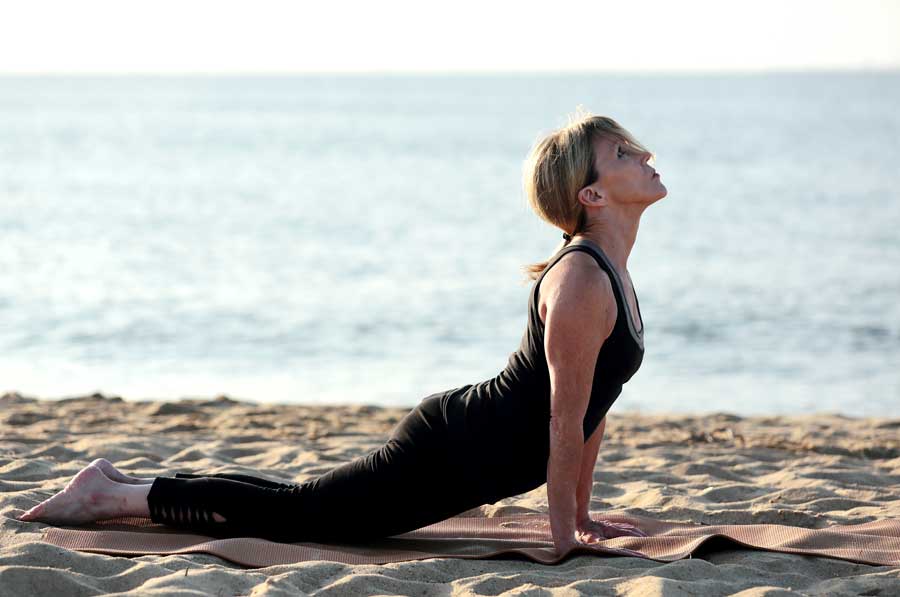
- Movement-– Even if your mobility is limited, MOVE! Gentle stretching and movement can help work the kinks out. I often instruct my yoga students to enjoy a few breaths of what I call “body doodling,” standing or sitting on their mats with eyes closed and allowing their bodies to lead them in how their bodies want to move. Movement is medicine!
- Writing— Whether it’s my daily early morning practice of writing Morning Pages (a very disjointed brain dump!) or blogging, writing allows me to put into words, on paper or on a laptop, how I feel, helping to move the “stuff” put of me.
Holding grief or trauma inside of us is NOT good. Period.
Do a body scan. Have your noticed physical pain or sensations that were not there before? Don’t ignore prolonged pain or tension, but try some of the releasing techniques I’ve listed, and see if any help you.
Your body keeps the score. In the game of life, let’s reduce the scores our bodies are keeping and enjoy this beautiful gift of life!
Amy Walton has six distinct coaching certifications and is a Registered Yoga Teacher (RYT200) with additional yoga certifications. She loves nothing better than helping people get to know their bodies and cultivate good health through breath and movement. Connect with her at amywaltoncoaching@gmail.com.